Wardogs Season 2 rewrites the economy so you can plan your logistics, pilot and infantry builds before the patch lands
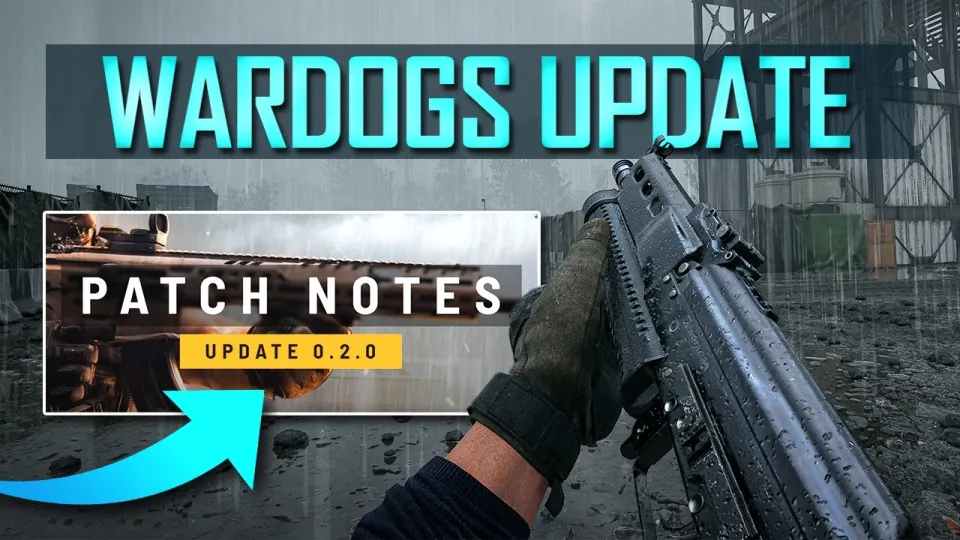
Video: WARDOGS New Season 2 Update ► EVERYTHING You Need To Know
Want articles like this for your own video to promote it on YouTube and Google? Order them through the Telegram bot @sat_sit_bot. It writes articles around your video, embeds the video and publishes them on popular niche websites (no ads). Your first 50 articles are free.
· based on the channel GhostGaming
Key takeaways
- Supply pallets now pay $1,250 base plus a $2,500 streak bonus at a 10-drop streak, with the bonus applying outside the combat zone.
- The minigun Little Bird costs roughly $14,000 fully loaded with three flares, and its price went up again in Season 2.
- The .50 cal received a 16% damage nerf, which lets tier 2 armor survive a hit from the end-game sniper rifle.
- The SKS Bipod price moved from $800 to $810, one of the smallest line items in the patch.
- A new anti-air vehicle, the Gepard, joins the vehicle roster alongside a Browning turret option.
Wardogs Season 2 is a broad economy and balance patch: supply deliveries now pay a $1,250 base per pallet plus a $2,500 streak bonus at a 10-drop streak, the minigun Little Bird got more expensive, the .50 cal lost 16% of its damage, and a new anti-air vehicle joins the roster. The full breakdown of what changed and what it means for your loadout is below, and GhostGaming walks through every line of the patch on the GhostGaming Twitch channel.
What the Wardogs Season 2 update changes at a glance
The headline is money: almost every way of earning cash in a match was adjusted, and the direction of travel is that fighting pays better than driving. Logistics deliveries were reworked so that a single pallet at a 10-drop streak is worth $1,250 base plus a $2,500 bonus, numbers that were clarified after the first pass of the patch notes because the original figures were listed for drops made outside the combat zone. Vehicle prices moved too, most visibly the minigun Little Bird, which sits around $14,000 fully loaded with three flares. On the weapon side, the .50 cal took a 16% damage cut, and the SKS Bipod crept from $800 to $810. Small optics and variable zoom scopes were also touched, which matters more than it sounds for anyone who runs a bare red dot.
Supply runs, FOBs and why logistics players are worried
Logistics was already the least popular job in the game, and Season 2 made the maths harder rather than easier. A driver hauling pallets back and forth for a full match can still clear six figures on a single life, but the number of trips needed to reach that total went up while the payout per delivery stayed modest, and the URAL truck earns less than it did before. The practical consequence is that the old habit of spotting a FOB running dry and spawning a truck to top it up no longer feels worth the time, because a handful of deliveries now nets less than a straight infantry fight. FOB building was hit from the other side as well: walls and structures cost more effort per supply unit, so a team that brings a huge stockpile of pallets can still lose a point because nobody had the manpower to hammer the walls up in time. The round-trip bonus for delivering players exists, but it is fragile — leaving the vehicle at any point in Season 1 killed it, and drivers are watching closely to see whether that behaviour was fixed.
Vehicle changes: Little Bird, URAL and the new anti-air threat
Air players are the other group facing a real cost increase. A minigun Little Bird loaded with three flares runs about $14,000, and Season 2 raised the price further, so a single mistake or an early flare dump can wipe out thousands in value with no kill streak to show for it. The counter to that is the arrival of the Gepard, a dedicated anti-air vehicle, plus a Browning turret option that makes low passes riskier. The flip side is that anti-air capability was trimmed in other places, so helicopters may survive a little longer early in the season before Gepards become common. Helicopter pilots also want landing XP to scale with the risk of the landing, since buying and re-buying airframes is now a bigger drain on a match's budget. On the ground, the URAL still handles like it is driving on ice, and its earning rate dropped, which compounds the logistics problem above.
Weapon and optic balance in the Season 2 patch
The .50 cal nerf is the change most likely to be felt in a firefight: a 16% damage reduction means tier 2 armor can now survive a shot from the end-game sniper rifle, so the old one-shot confidence at range is gone unless you are landing head and neck hits, the areas the game treats as sniper zones. Optics got attention too, and not in the direction most players wanted — the simple, uncluttered low-zoom red dots are still locked behind late progression, which is a recurring complaint from players who do not want a busy sight picture. Variable zoom scopes remain awkward to use because of the keybind situation, and the patch did not address it; the SKS Bipod's $10 price bump is the kind of line item that stands out when scope binds are still broken.
Squad intent, commander tools and quality-of-life additions
The squad intent list is one of the quieter additions and one of the more useful: it gives squads a way to declare what they are doing so a team can coordinate objectives across the map without voice comms, echoing the team commander role that older shooters like Battlefield 2 offered. Blue-side players also got cosmetic and map attention that the community has been asking about. None of this changes the economy, but it does make random squads less chaotic, which matters more in a game where FOB placement and supply routing depend on strangers cooperating.
Common questions from the Wardogs community
Progression speed is the anxiety behind most of the discussion: players expect the first tier 3 and tier 4 armor, tanks and heavier vehicles to appear within four to five hours of the season going live, which compresses the early-game window. Drivers point out that levelling the driver role is technically no easier than before, even though the payout structure changed, so the grind and the reward curve are pulling in different directions. Minigun Little Bird pilots note that the airframe was rarely seen in Season 1, which makes a price increase feel like a nerf to a vehicle almost nobody was abusing. The overall read from the community is that Season 2 makes money harder to earn for everyone except infantry, and that FOBs and logistics will become obsolete unless a follow-up patch adjusts the numbers.
All the links from the GhostGaming breakdown
- GhostGaming on Twitch
- GhostGaming on Twitter
- GhostGaming Discord
- GhostGaming on TikTok
- Full Wardogs Season 2 patch notes on Steam
Bottom line on the Wardogs Season 2 update
Wardogs Season 2 pushes the game toward infantry combat by making supply runs, FOB construction and helicopter flying more expensive in time and money, while trimming the reach of the .50 cal and keeping clean low-zoom optics behind a long unlock chain. The supply payout clarification — $1,250 base plus a $2,500 bonus at a 10-drop streak — softens the blow for dedicated drivers, but the trip count is still higher than it was. If you main logistics or the minigun Little Bird, plan your first sessions around cheaper loadouts and expect the Gepard to change how low you dare to fly. For the full walkthrough of every patch line, watch the GhostGaming breakdown, and catch live gameplay and testing on the GhostGaming Twitch channel.
Source: WARDOGS New Season 2 Update ► EVERYTHING You Need To Know · Markdown version
Questions & answers
How much does a supply pallet pay in Wardogs Season 2?
A pallet delivered at a 10-drop streak pays $1,250 base plus a $2,500 bonus. The first published figures were for drops made outside the combat zone, and the corrected numbers appear in the official patch notes.
Is the minigun Little Bird still worth buying after the price increase?
It is a harder sell. A fully loaded minigun Little Bird with three flares costs around $14,000, and Season 2 raised the price further while adding the Gepard anti-air vehicle. Unless you are chaining kill streaks and conserving flares, a single mistake can wipe out the investment.
What does the 16% .50 cal nerf actually change?
It removes the guaranteed one-shot at range against tier 2 armor, so an end-game sniper rifle no longer reliably drops a target with a body hit. Head and neck hits, the sniper zones, still reward precise aim.
Will logistics and FOB building become obsolete in Season 2?
That is the main worry. Deliveries require more trips for less money than a straight fight, URAL earnings dropped, and structures cost more effort per supply unit, so fewer players may be willing to drive trucks or hammer walls unless the developers adjust the numbers.